

The chemical makeup of TB-500 plays an integral role in its function. It primarily aids in cell migration and wound healing by promoting the growth of new blood vessels. Although laboratory studies and clinical trials provide evidence of its effects, further research is needed to fully understand TB-500’s potential.
In terms of benefits, TB-500 shows promise with improved wound healing rates and enhanced muscle growth potential. Additionally, it may help reduce inflammation levels, which can aid recovery processes.
Despite these promising results from early-stage research, there could be side effects associated with TB-500 use. These need to be explored by researchers and scientists alike.
What Does TB-500 Do?
Decoding TB-500
As the biomedical research landscape continues to expand and progress, TB-500 (or Thymosin Beta-4) has emerged as a notable discovery that has garnered significant scientific interest. One such discovery that has been the subject of scientific interest is a synthetic peptide known as TB-500 or Thymosin Beta-4.
A Brief Overview of the Origins of TB-500
TB-500 traces its roots back to several decades ago when researchers first identified a group of proteins called thymosins within our bodies’ thymus gland that are primarily involved in immune function. Among these was one protein in particular – Thymosin beta-4 – which displayed impressive regenerative capabilities. This led scientists to create a synthesized fragment dubbed TB-500, mirroring many properties found in natural thymosin beta-4.
How does TB-500 operate, and what are its functions?
Despite being synthetically created, TB-500’s unique molecular structure allows it to share characteristics with its parent molecule, like small size and unrestricted movement through tissues. However, what sets this peptide apart lies in its superior performance of these functions compared to naturally occurring Thymosin Beta-4.
This efficiency stems from TB-500’s upregulation of actins, crucial cellular components involved during cell migration phases and division periods under stressful conditions, including injury or disease scenarios.
It essentially aids cells by promoting faster healing and wound repair processes due mainly to increased actin formation capacity compared to traditional methods. Currently, available therapies might fail to address this adequately.
Potential Applications and Benefits of Using TB-500
In light of studies underway testing TB-500’s ability across various fields ranging from sports medicine to dermatology, there seems to be no shortage of potential applications and benefits of using this compound.
Its pro-migratory nature combined with angiogenesis (the process where new blood vessel pathways are formed) can potentially aid patients suffering from ischemic heart diseases wherein oxygen supply becomes restricted due to blocked arteries.
How Does TB-500 Work?
The Functionality of Thymosin Beta-4
TB-500, also known as thymosin beta 4, works through a series of biological processes to exert its beneficial effects. The primary process involves the promotion of angiogenesis or new blood vessel growth.
Promotion of Angiogenesis with TB-500
TB-500’s unique molecular structure plays an integral role in promoting angiogenesis. TB-500’s special molecular structure helps to promote angiogenesis by spurring the proliferation of endothelial cells, which then provides better oxygen and nutrient availability for cells in tissues, aiding their survival and performance.
This particular aspect is critical for wound healing, where rapid regeneration is required. Moreover, it’s pivotal during muscle recovery post-strenuous physical activity or injury recovery.
Increased Cell Migration Due To TB-500’s Upregulation
Beyond fostering angiogenesis, another way that TB-500 works involves stimulating cell migration towards areas needing them most, like sites experiencing damage or injury, thus aiding efficient delivery of necessary elements for tissue repair, such as fibroblasts responsible for producing collagen at wounds, helping form scar tissue components forming part of the extracellular matrix.
Studies underway testing TB-500’s ability have shown that increased cell migration significantly speeds up wound closure rates.
Aiding Tissue Repair Through Enhanced Protein Synthesis And Reduced Inflammation
Last but not least, how does TB-500 aid directly in repairing damaged tissues? Primarily via two ways: first, by enhancing protein synthesis rate, accelerating cellular rebuilding processes; second, by reducing inflammation at injured sites, minimizing further harm while speeding up recovery timeframes.
While much remains unknown about BPC-157/TB-500 side effects, TB-500 studies are currently investigating these aspects more closely. This will hopefully provide deeper insights into potential applications across different medical discipline,s given its multifaceted approach towards restoration.
Key Takeaway:
Essentially, TB-500 aids in tissue repair and regeneration by promoting new blood vessel growth, stimulating cell migration to injury sites, enhancing protein synthesis rates for cellular rebuilding processes, and reducing inflammation. It’s a multi-pronged approach toward restoration that holds potential across various medical disciplines.
What Are the Benefits of TB-500?
Potential Advantages Across Various Biological Processes
TB-500’s unique molecular structure and functions within the body suggest a broad range of potential benefits. These span from wound healing to muscle growth, enhanced endurance and recovery, as well as inflammation reduction.
Improved Wound Healing
In terms of tissue repair, TB-500 relies on its ability to stimulate angiogenesis – the formation of new blood vessels from pre-existing ones. This is achieved by enhancing endothelial cell migration, which plays an essential role in initiating vascularization during wound healing processes.
Beyond fostering new vessels’ development, TB-500 promotes keratinocyte migration. Such activity aids skin regeneration following injury or surgical procedures, thereby significantly shortening recuperation periods after such incidents.
Muscle Growth Enhancement
Apart from facilitating rapid recovery times post-injury or surgery, another key benefit associated with TB-500 includes amplified muscle hypertrophy. The peptide’s regenerative properties extend beyond just skin and connective tissues, but also involve muscular fibers themselves.
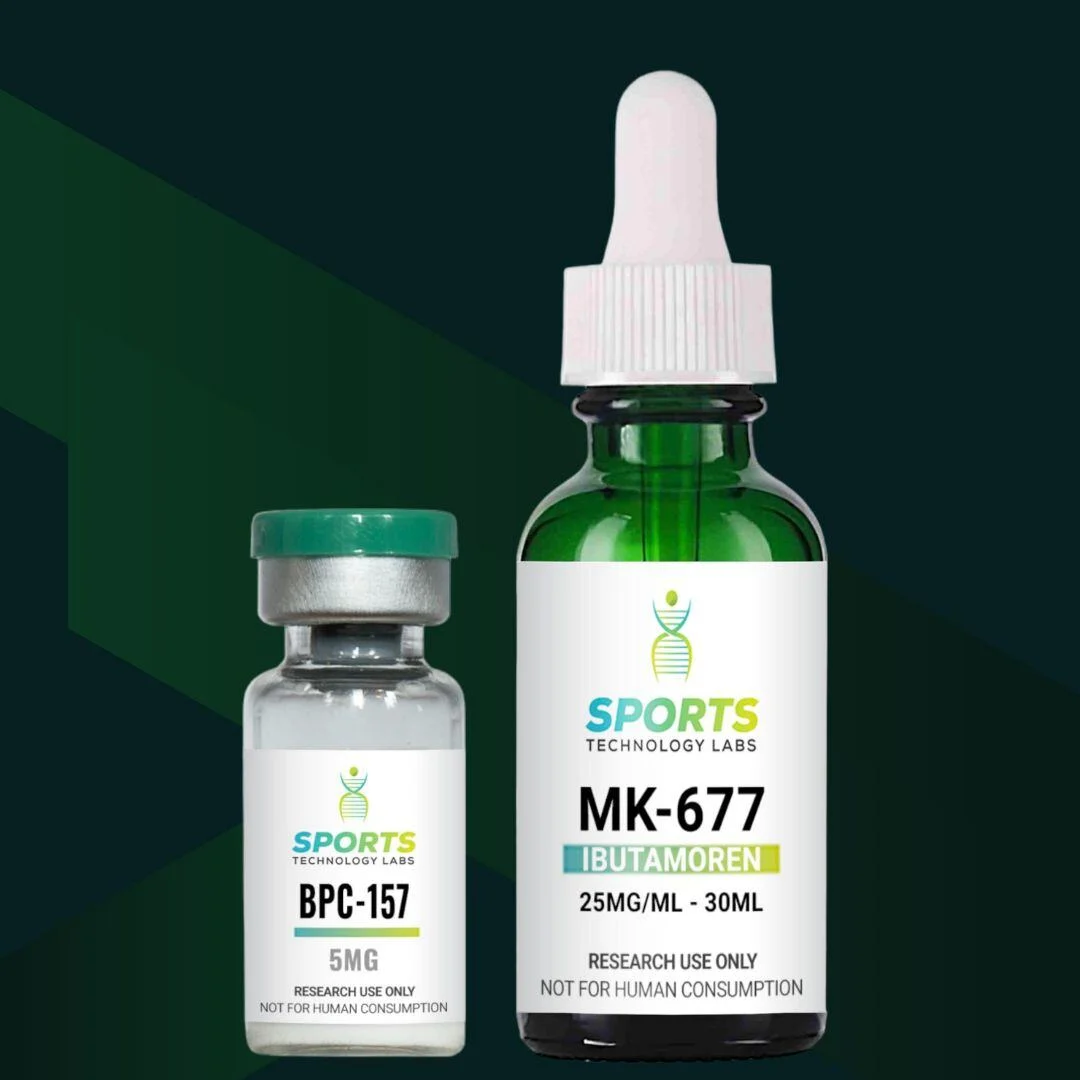
This has been supported by studies underway testing TB-500’s ability to enhance satellite cell activities – cells responsible for repairing damaged muscles. Subsequently, much like MK-677, this thymosin beta 4-derived compound may result in increased size and strength over time.
Faster Recovery And Endurance Boosts
The intense physical exertion that comes with athletic performance often results in microscopic damage inflicted upon muscles, causing inflammation.
One significant advantage offered by this synthetic peptide lies within its potent anti-inflammatory effects, which can significantly accelerate post-workout recovery times while improving oxygen-carrying capacity resulting from elevated angiogenesis promoted by this compound. Thus, it may boost endurance levels.
What Conditions Can Be Treated With TB-500?
Potential Applications in Treating Various Physical Ailments
The unique molecular structure of TB-500 allows it to have a wide range of applications across different medical disciplines. It has been explored for its potential utilization in orthopedic treatment, sports medicine, and post-operative recovery.
- Tendonitis: The ability of TB-500’s upregulation process promotes new blood vessel growth, which is beneficial for treating conditions like tendonitis where inflammation or irritation occurs due to repetitive strain on the affected area.
- Muscle Tears: Injuries involving muscle fibers and their attaching tendons are another common condition that relies heavily on the benefits offered by injecting TB-500. Its role in increasing cell migration aids faster healing time for these kinds of injuries.
- Joint Pain: Studies underway testing TB-500’s ability as an effective treatment option against chronic joint pain, such as arthritis, indicate promising results. By reducing inflammation at the cellular level and promoting repair processes, subjects experience relief from persistent discomfort associated with this condition.
- Post-Surgical Scarring: Lastly, among treatable conditions using thymosin beta 4 (TB-500) peptide include both internal scars known as adhesions after surgical procedures or external visible ones on the skin surface. The wound-healing capabilities derived from TB-500 show significant reduction through promoting healthy cell proliferation during wound closure, thus minimizing the formation of undesirable fibrous tissues commonly associated with scarring.
Is TB-500 Safe?
The Question of Safety about TB-500
One question that often arises when discussing synthetic peptides like TB-500 is: Is it safe? The answer isn’t as straightforward as we’d hope because human studies are still underway testing TB-500’s ability and its potential side effects.
TB-500’s Molecular Structure and Its Role in Clinical Trials
TB-500’s unique molecular structure has shown promise during preclinical trials, with minimal adverse reactions reported under controlled conditions. Yet caution should be exercised until more comprehensive human trials can definitively establish its safety profile.
A published study demonstrated no negative responses from subjects treated topically with thymosin beta 4 (from which the TB-500 peptide originates).
Potential Side Effects of Using Thymosin Beta-4 Derived Peptides Like TB-500
All research peptides carry a risk for possible side effects; hence, understanding these risks before starting any supplementation regimen becomes crucial. Some individuals may experience mild irritation at the injection site or allergic reactions after administering BPC-157 and TB-500. In rare cases, nausea or fatigue might occur post-treatment.
To mitigate potential issues arising from the misuse of this potent compound called thymosin beta-4-derived peptide, adherence to the recommended guidelines provided by professionals experienced in handling compounds like TB-500 becomes essential.
Risks Associated With Improper Use Of Synthetic Peptides Like TB-500
Misuse or overdosing on compounds like TB-500 could potentially worsen existing health problems due to their potent biological activity.
Another concern stems from procuring low-quality products riddled with impurities that pose significant health hazards; thus, sourcing only through reputable suppliers such as Sports Technology Labs becomes vital.
Methods of TB-500
The synthetic peptide, known as TB-500 or Thymosin Beta-4, is primarily administered through two main routes: subcutaneous TB-500 injection and topical application. Each method possesses its unique characteristics that researchers should be cognizant of when investigating the use of this compound.
Who Should Not Use TB-500?
The utilization of TB-500, a potent research peptide, is to be used by scientists and researchers only. Specific individuals may need to refrain from participating in clinical trials that contain TB-500 due to particular health considerations or circumstances.
Pregnant and Nursing Women
Women in the stages of pregnancy or breastfeeding are advised against TB-500. The impact on fetal development and lactation has yet to be thoroughly investigated by ongoing TB-500 studies. Until more concrete data emerges, it’s safer for these groups to avoid participation in trials.
Individuals With Existing Medical Conditions
Subjects suffering from clotting disorders must tread carefully in participating in clinical trials with TB-500 since increased angiogenesis can elevate risks related to clot formation. It’s imperative to consult with a qualified healthcare provider when considering participation in research studies and trials.
Conclusion
TB-500, a synthetic peptide derived from thymosin beta-4 protein, is a fascinating compound. Its ability to promote the growth of new blood vessels and aid in tissue repair is impressive.
Potential TB-500 benefits include improved wound healing, increased muscle growth, and enhanced endurance – these are remarkable indeed. It has been used to treat conditions such as tendonitis and joint pain, making it quite versatile.
Safety? Yes. When used correctly in research studies, TB-500 has shown promising results. Yet caution must prevail.
Individuals who are pregnant or have existing medical conditions should avoid participating in clinical trials of TB-500 without consulting their doctor.
Ready for more insight into research chemicals like TB-500?
Sports Technology Labs is the best place to go when you are looking for the best website to buy SARMs and peptides from. At Sports Technology Labs, we delve deep into this intriguing world. Our comprehensive guides explore these compounds so you can understand their functions and mechanisms.
So why wait?
Please explore our website at www.SportsTechnologyLabs.com, where science meets sports performance! Learn more about TB-500 here.
Scientific References:
1. Goldstein, A. L., & Kleinman, H. K. (2015). Advances in the basic and clinical applications of thymosin β4. Expert opinion on biological therapy, 15(sup1), 139-145.Thevis, M., & Schänzer, W. (2014). Analytical approaches for the detection of emerging therapeutics and non-approved drugs in human doping controls. Journal of pharmaceutical and biomedical analysis, 101, 66-83.
2. Samara, P., Ioannou, K., & Tsitsilonis, O. E. (2016). Prothymosin alpha and immune responses: are we close to potential clinical applications?. Vitamins and hormones, 102, 179-207.
3. Kim, J., & Jung, Y. (2015). Potential role of thymosin Beta 4 in liver fibrosis. International journal of molecular sciences, 16(5), 10624-10635.
4. Sosne, G., Qiu, P., & Kurpakus-Wheater, M. (2007). Thymosin beta 4: A novel corneal wound healing and anti-inflammatory agent. Clinical ophthalmology, 1(3), 201-207.
5. Kleinman, H. K., Kim, K., & Kang, H. (2018). Matrigel is used in cell biology and for the identification of thymosin β4, a mediator of tissue regeneration. Applied Biological Chemistry, 61(6), 703-708.
6. Bock-Marquette, I., Maar, K., Maar, S., Lippai, B., Faskerti, G., Gallyas Jr, F., … & Srivastava, D. (2023). Thymosin beta-4 denotes new directions towards developing prosperous anti-aging regenerative therapies. International Immunopharmacology, 116, 109741.